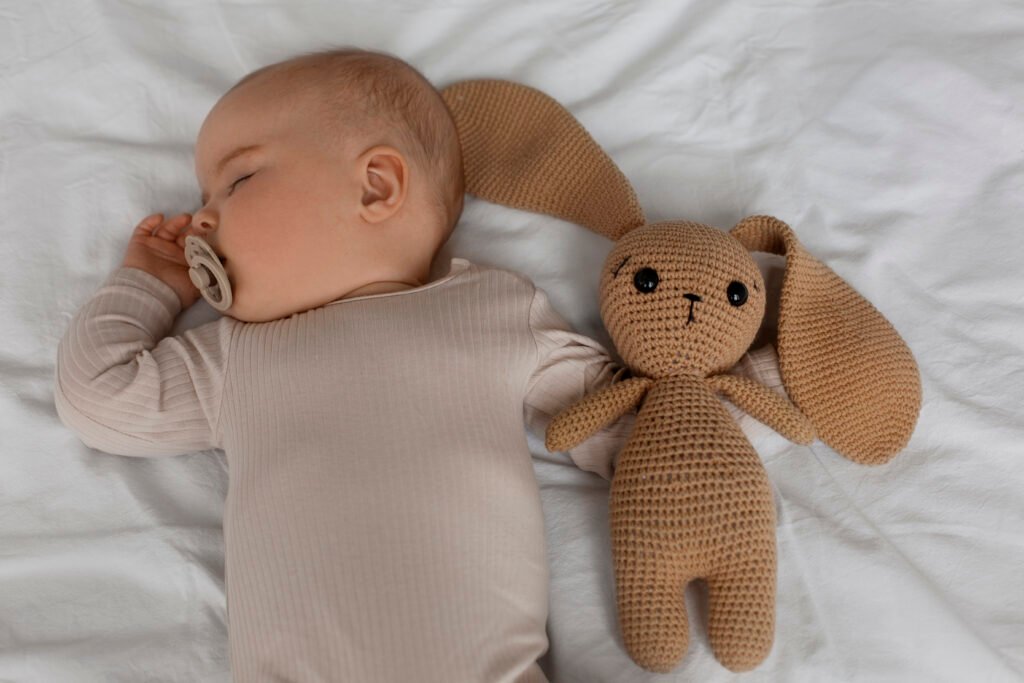
Getting your little one to sleep can sometimes feel like cracking a secret code—one that changes daily! While every baby is different, sleep is universal, and there are plenty of surprising tidbits that can help you feel more confident (and maybe even amused) on your parenting journey. Here are 15 fun—and a few surprising—baby sleep facts every parent should know.
Newborns drift into REM (Rapid Eye Movement) sleep almost immediately, spending up to 50% of their sleep in this active stage. In contrast, adults only spend about 20–25% in REM. This explains why your baby’s sleep often looks restless—even when it’s perfectly normal!
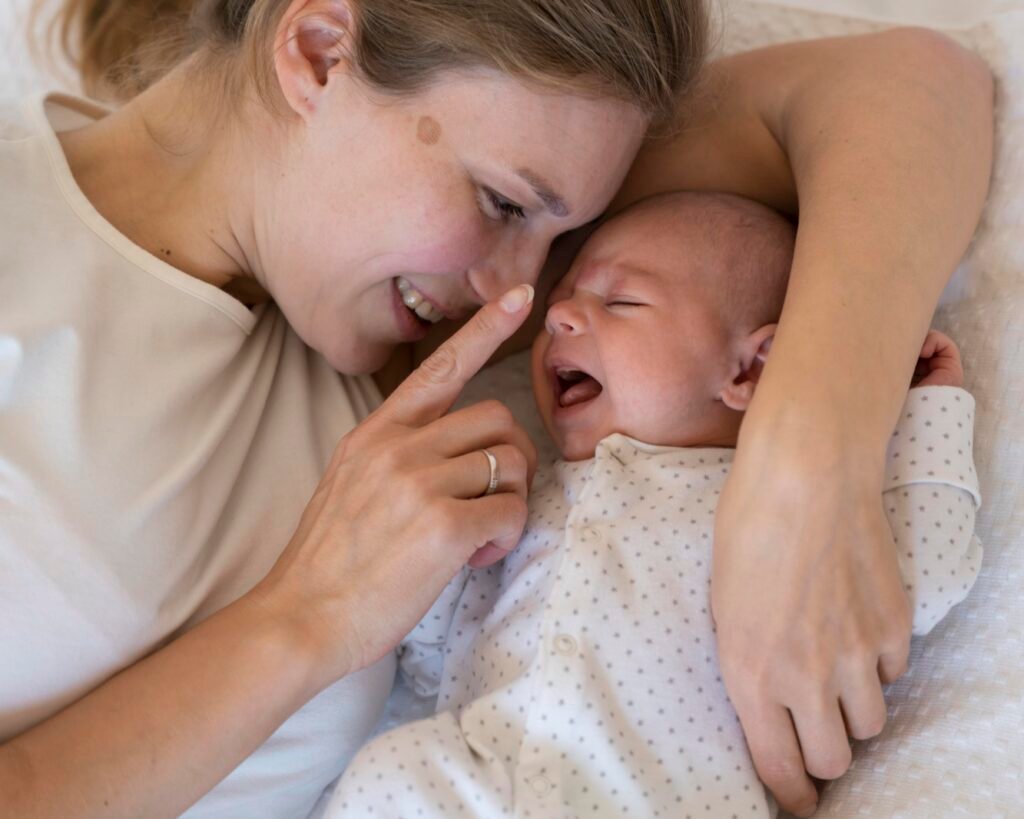
It’s surprising, but waking frequently is part of healthy brain development. Babies wake to feed, self-soothe, and get reassurance—each wake is actually your little one’s growing brain in action.
For the first three months, babies crave the comfort of the womb: gentle sounds, rocking, and close contact. This is why white noise, swaddling, and motion can feel magical—and why it’s not just a fancy hack but a biological preference.
Skipping naps might seem to get more awake time, but overtired babies often have shorter, more fragmented nights. Consistent daytime naps set the stage for deeper nighttime rest.
A full sleep cycle for adults lasts about 90 minutes, but for babies it’s closer to 50–60 minutes. That means every hour they have a mini reset—which often means a little stir as they switch between REM and non-REM sleep.
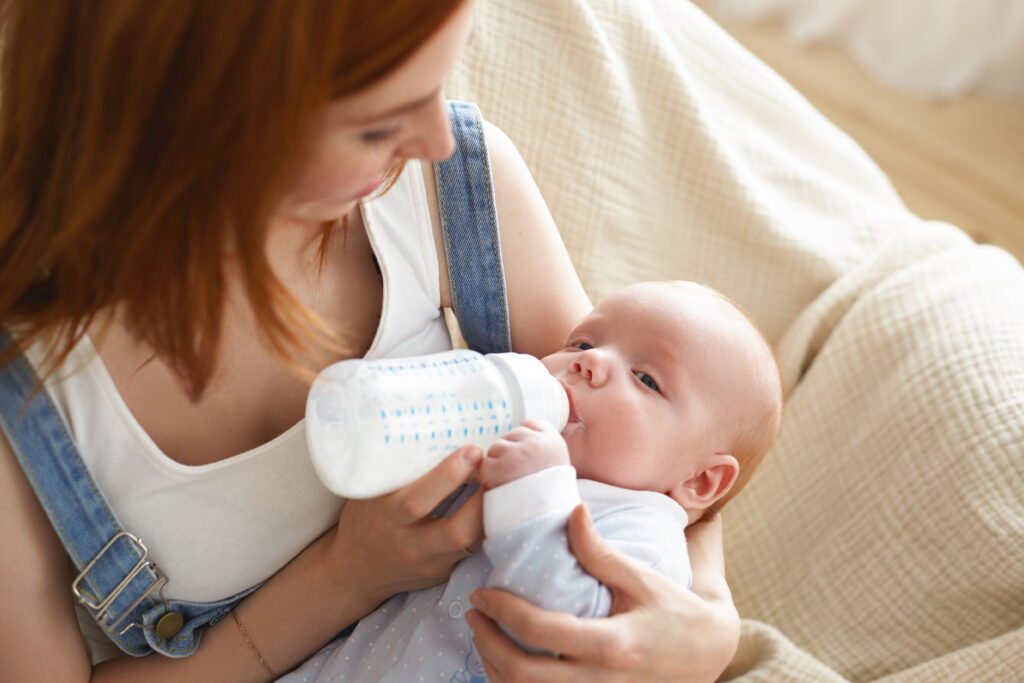
When babies fall asleep while feeding, their brain links milk and slumber. Breaking or adjusting this association (with gentle, step-by-step changes) can support more independent settling.
Just like a teen’s body clock, babies have early-morning REM peaks. Many experience more active sleep between 4–6 AM, making that pre-dawn feeding a natural rhythm, not a parenting failure.
During growth spurts (around 2, 4, 6, and 9 weeks, and 3, 6, 9, 12 months), babies often cluster feed and nap more—leading to more nighttime wake-ups. It’s their body’s way of fueling rapid development.
The Moro (startle) reflex can jolt a sleeping baby awake. A snug swaddle soothes that reflex—but once your baby shows rolling signs, it’s time to transition for safety.
Exposure to natural daylight during the day and a dark, calm environment at night helps set the circadian rhythm. Simple changes—like opening blinds each morning—can pay sleep dividends.
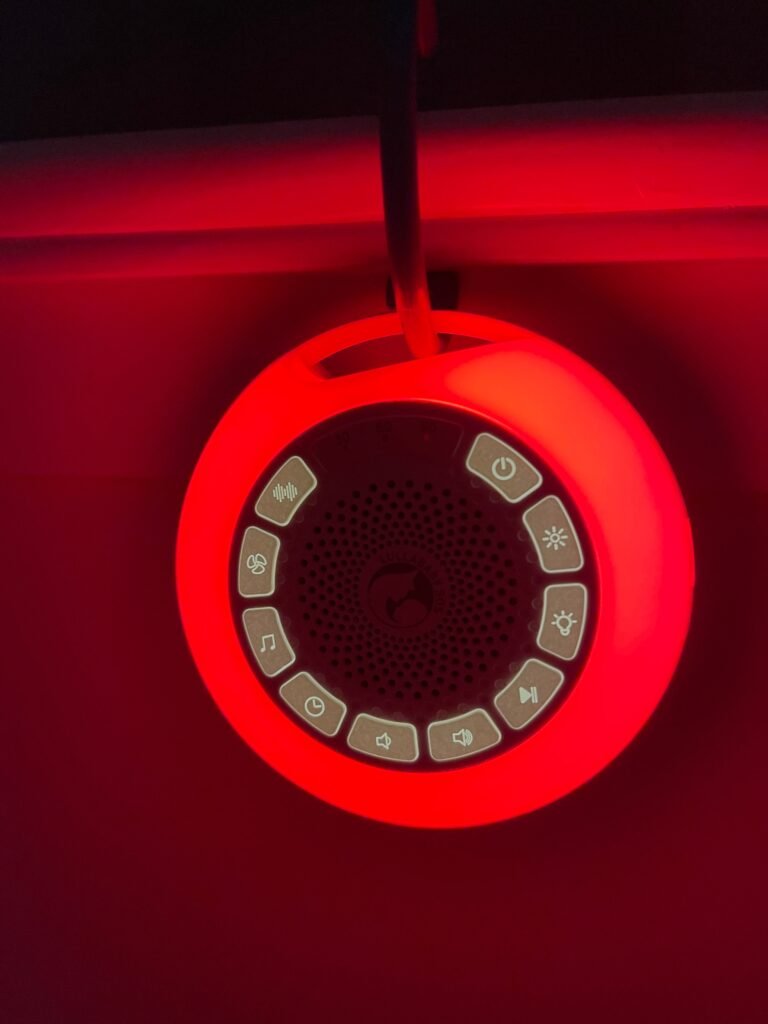
White noise machines that mimic the whoosh of blood flow or the rumble of amniotic fluid can feel remarkably familiar and soothing, reducing fussiness and promoting longer stretches of sleep.
Babies prefer a slightly cooler room (around 20–22 °C or 68–72 °F). Overheating can lead to restless sleep, so layers and a room thermometer are your best friends.
Even newborns dream: studies show babies have brain activity patterns in REM similar to adult dreaming. Though we can’t ask them about their dreams, it highlights how early cognitive processing begins.
By around six months, most babies consolidate sleep into longer nighttime stretches and fewer daytime naps. This milestone reflects neurological maturity and more predictable sleep cycles.
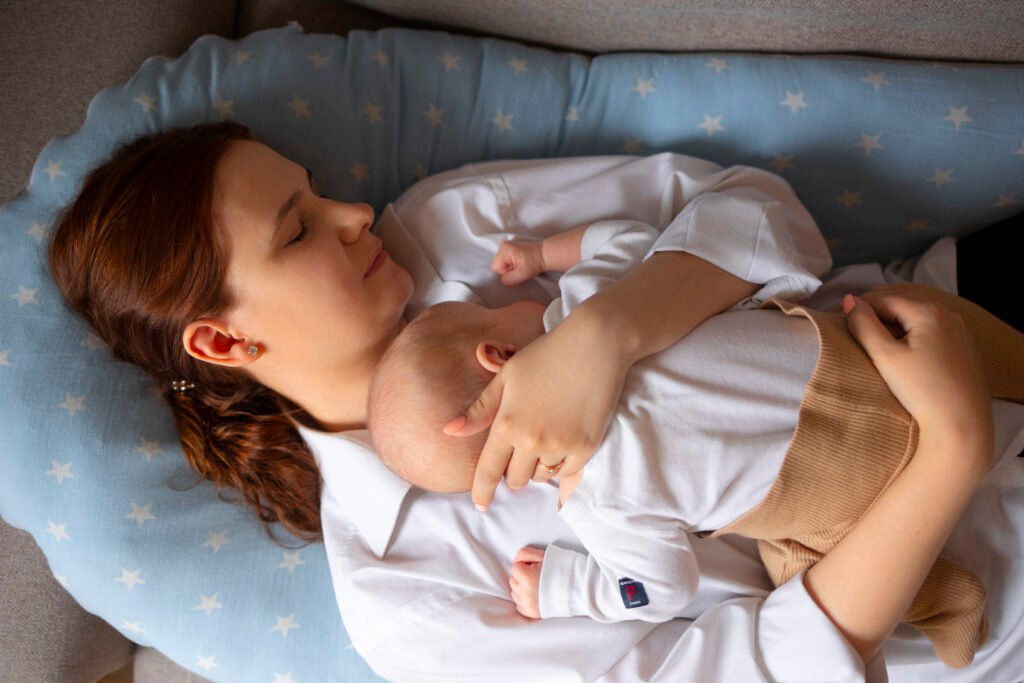
Babies pick up on your stress hormones. Approaching bedtime with a calm, consistent routine—whether it’s a cuddle, a lullaby, or a gentle massage—helps signal safety and security.
Parenting is full of surprises, and sleep is no exception. Remember, while these facts shed light on your baby’s inner world, every family’s journey is unique. If you ever feel stuck or overwhelmed, gentle support and small, consistent adjustments can make all the difference.
Sweet dreams to you both,
Ready for more sleep confidence? Book a consultation or explore our Nurtured Beginnings program for personalized guidance and three weeks of unlimited support.